Learn what home inspections cover, their importance in the buying process, and their limitations. Make informed decisions with this comprehensive guide.
Provided by Robert Krause | Krauses Houses | Long & Foster REALTORS®
What Is a Home Inspection?
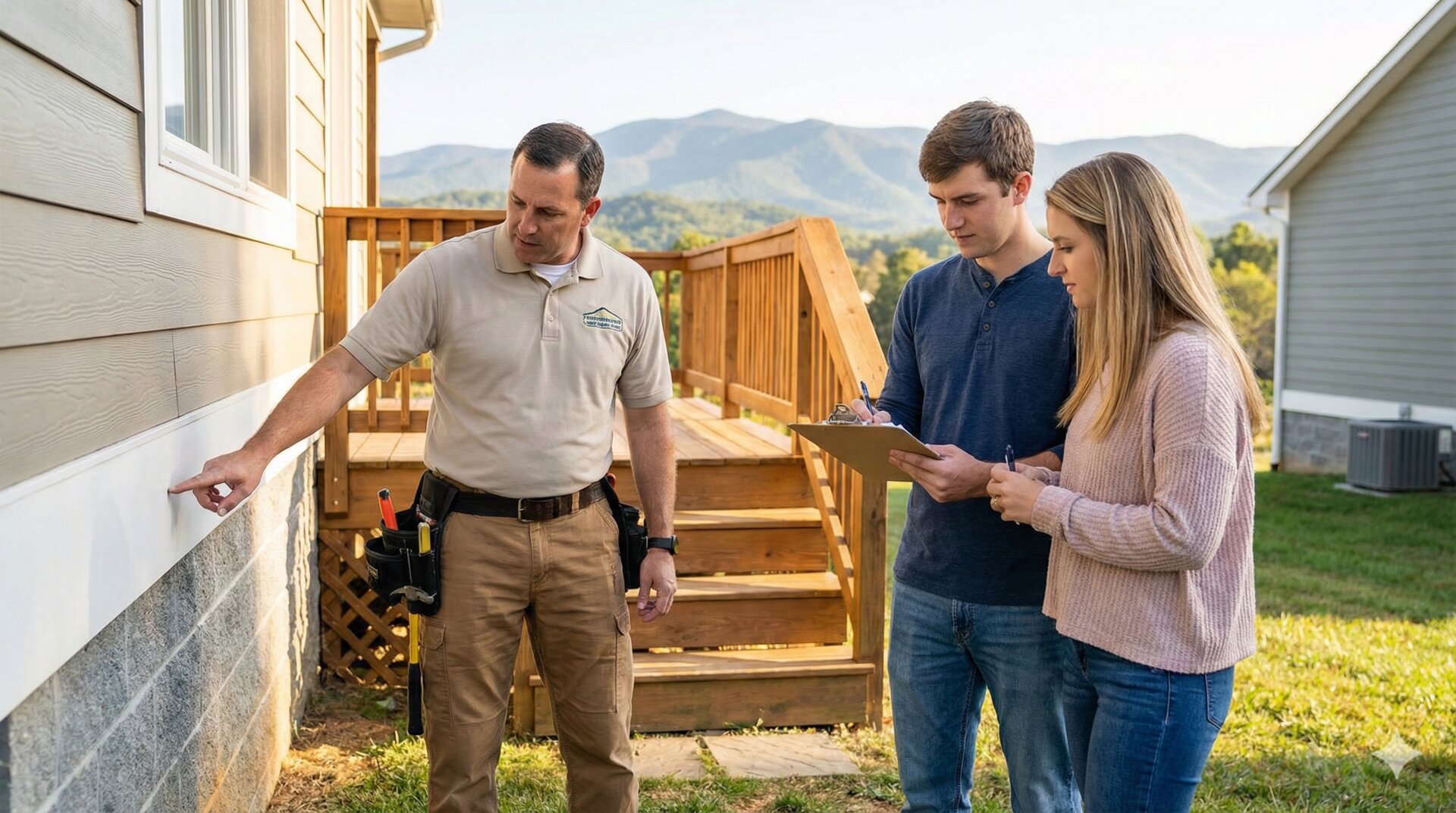
A home inspection is a thorough visual examination of a property's major systems and components, conducted by a licensed professional. It's one of the most important steps in the home buying process, giving you crucial information about the property's condition before you finalize your purchase.
Why Home Inspections Matter
A professional home inspection can:
- Reveal hidden issues - Problems that aren't visible during a casual walkthrough
- Protect your investment - Help you avoid costly surprises after closing
- Provide negotiating power - Give you leverage to request repairs or price adjustments
- Ensure safety - Identify potential safety hazards like faulty wiring or structural issues
- Plan for the future - Help you budget for upcoming maintenance and repairs
What Inspectors Examine
A standard home inspection typically covers:
Structural Components
- Foundation and basement
- Walls, ceilings, and floors
- Roof structure and attic
- Windows and doors
Major Systems
- HVAC (heating, ventilation, air conditioning)
- Electrical systems and panels
- Plumbing and water heaters
- Insulation and ventilation
Exterior Elements
- Roofing materials and condition
- Siding and trim
- Grading and drainage
- Decks, porches, and walkways
Important Limitations to Understand
While home inspections are invaluable, they have limitations you should know:
What Inspections Do NOT Include:
- Invasive testing - Inspectors cannot move furniture, cut into walls, or dig up foundations
- Specialty systems - Pools, septic systems, and wells often require separate specialists
- Code compliance - Inspectors identify issues but don't verify building code compliance
- Future predictions - They assess current condition, not how long things will last
- Inaccessible areas - Areas blocked by belongings or locked cannot be inspected
- Cosmetic issues - Focus is on function and safety, not appearance
When to Consider Additional Inspections
Based on the property or standard inspection findings, you may want:
- Radon testing - Especially important in Virginia where radon levels can be elevated
- Termite/pest inspection - Often required by lenders, always recommended
- Septic system inspection - Essential for properties with private septic
- Well water testing - For properties with private wells
- Mold inspection - If moisture issues or visible mold are present
- Structural engineer - For significant foundation concerns
Making the Most of Your Inspection
Tips to maximize value from your home inspection:
- Attend the inspection - Walk through with the inspector to learn about the home
- Ask questions - No question is too basic; this is your chance to learn
- Take notes - Document what you learn beyond the written report
- Keep perspective - No home is perfect; focus on significant issues
- Review the report carefully - Understand the difference between minor and major concerns
Understanding the Report
Inspection reports typically categorize findings as:
- Safety concerns - Issues that pose immediate risk
- Major defects - Significant problems requiring expensive repairs
- Minor defects - Issues that are easily fixed or cosmetic
- Maintenance items - Normal upkeep recommendations
Questions About Home Inspections?
I can recommend trusted home inspectors in the Roanoke Valley and help you understand what the findings mean for your purchase.
Contact Robert Krause
540-598-1267 | [email protected]