
Preparing Your Home for Severe Winter Weather: A Complete Guide
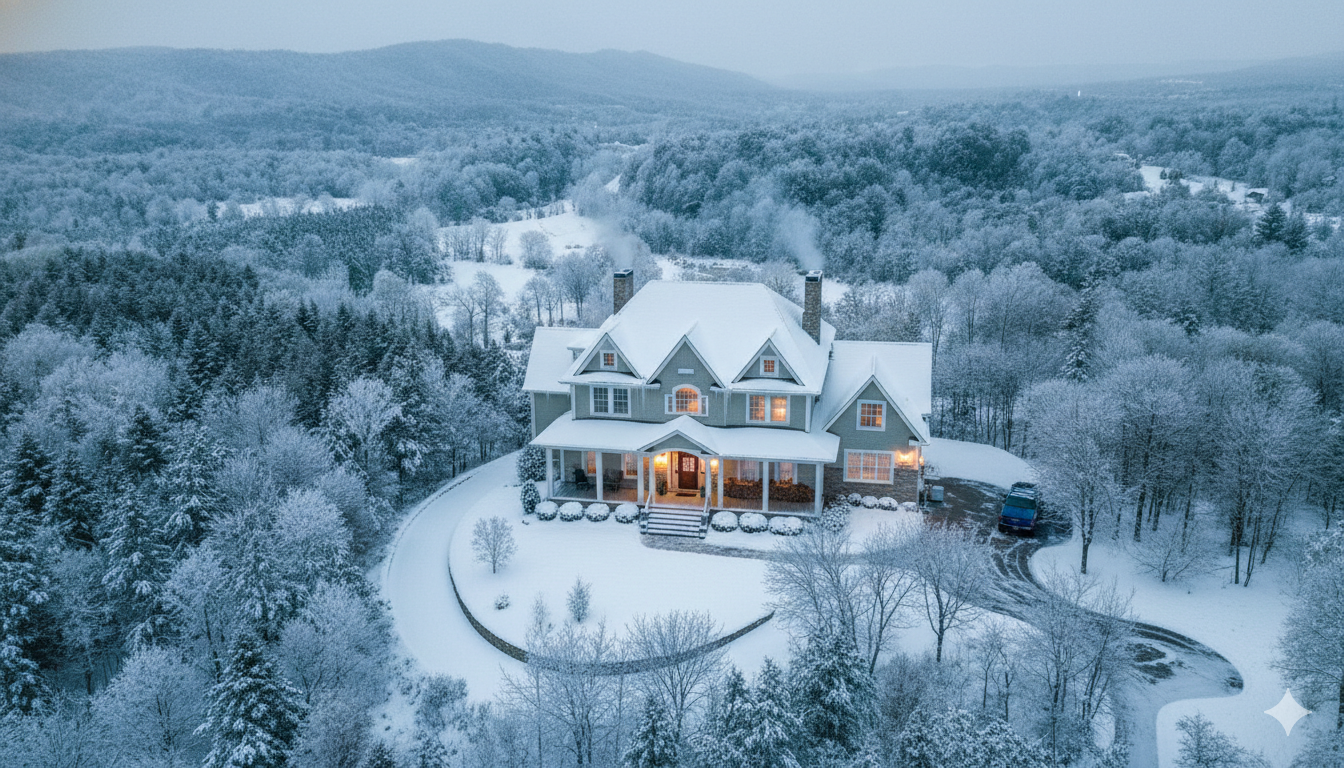
⚠️ WINTER STORM WATCH - Roanoke Area
The National Weather Service has issued a Winter Storm Watch for the Roanoke Valley from Saturday morning through Monday afternoon. Expected conditions include:
- 8-14 inches of snow and sleet accumulation
- Difficult to impossible travel conditions
- Potential impact on Monday morning commute
With a significant winter storm approaching the Roanoke Valley, now is the time to prepare your home. Taking proactive steps before the storm arrives can prevent costly damage and keep your family safe and comfortable during the event.
Before the Storm: Preparation Checklist
Protect Your Pipes
Frozen pipes are one of the most common, and expensive, winter weather emergencies. A burst pipe can cause thousands of dollars in water damage.
- Insulate exposed pipes in unheated areas like garages, crawl spaces, and attics using foam pipe insulation
- Know your main water shut-off valve location so you can act quickly if a pipe bursts
- Open cabinet doors under sinks on exterior walls to let warm air circulate around pipes
- Let faucets drip slightly during the coldest periods, moving water is less likely to freeze
- Disconnect and drain outdoor hosesand shut off exterior faucet supply lines if possible
Heating System Preparation
- Replace your furnace filter if it hasn't been changed recently, your system will work harder during extreme cold
- Test your heating system before the storm to ensure it's working properly
- Clear space around heating vents and baseboards for optimal airflow
- Have your fireplace or wood stove inspected if you plan to use it as a backup heat source
- Stock up on fuel if you use propane, oil, or wood for heating
Emergency Supplies
Power outages are common during major winter storms. Be prepared to be without electricity for 24-72 hours:
- Flashlights and extra batteries
- Battery-powered or hand-crank radio
- Non-perishable food and manual can opener
- Bottled water (1 gallon per person per day)
- Medications for at least 3 days
- Extra blankets and warm clothing
- Fully charged portable phone chargers
- Cash (ATMs won't work without power)
Outdoor Preparation
- Clear gutters of leaves and debris so melting snow can drain properly
- Trim dead branches near your home or power lines that could break under heavy snow or ice
- Stock up on ice melt or sand for walkways (avoid using rock salt near plants or concrete)
- Know where your snow shovel is and test your snow blower if you have one
- Move outdoor furniture and decorations to protected areas
During the Storm: Staying Safe
Monitor Your Home
- Keep interior temperatures at 68°F or aboveeven when you're sleeping, this helps prevent frozen pipes
- Open interior doors to help heat circulate evenly throughout your home
- Never use a gas oven or stovetop for heatingthis creates a serious carbon monoxide risk
- If using a generatorkeep it outside and at least 20 feet from windows, doors, and vents
Roof and Ice Dam Prevention
- Keep an eye on snow accumulation on your roof, more than 2 feet of heavy wet snow may require professional removal
- Watch for ice dams forming at the roof edge, which can cause water to back up under shingles
- Don't attempt to remove snow from your roof yourself unless you have proper equipment and experience
Stay Indoors
As the NWS advises, stay indoors until conditions improve. If you must go outside:
- Dress in layers, several thin layers are warmer than one heavy coat
- Cover exposed skin to prevent frostbite
- Wear waterproof boots with good traction
- Tell someone where you're going and when you'll return
After the Storm: Recovery Steps
Safe Snow Removal
- Take breaks while shovelingsnow removal is strenuous exercise that can trigger heart attacks
- Push snow rather than lifting when possible to reduce strain on your back
- Clear snow from around your furnace exhaust vents and dryer vents to prevent carbon monoxide buildup
- Clear fire hydrants near your home if possible
Inspect for Damage
- Check your roof and gutters for damage once it's safe to do so
- Look for signs of ice dams or water infiltration in your attic
- Inspect tree limbs for damage that could pose a future hazard
- Document any damage with photos for insurance purposes
Thawing Frozen Pipes
If you discover a frozen pipe:
- Keep the faucet open so water can flow as it thaws
- Apply gentle heat using a hair dryer, heat lamp, or towels soaked in hot water
- Never use an open flame or high-powered heating device
- Call a licensed plumber if you can't locate or safely thaw the frozen section
Emergency Contacts
Keep these numbers handy:
- Appalachian Power outages: 1-800-956-4237 or report online
- Roanoke City non-emergency: 540-853-2411
- Roanoke County non-emergency: 540-562-3265
- Virginia 511 road conditions: Dial 511 or visit 511virginia.org
Questions About Your Home?
If you have questions about winterizing your home or need recommendations for local contractors, don't hesitate to reach out. As your local real estate professional, I'm happy to help connect you with trusted service providers in the Roanoke area.
Stay safe and warm this winter!
Robert Krause
Licensed REALTOR®
With years of experience in the Roanoke Valley real estate market, Robert helps families find their perfect homes and guides sellers to successful closings.
Get in touch →Related Posts

February 2, 2026
Housing-Related Tax Items to Consider
January 11, 2026