
Should You Give Up Your Low Rate to Move?
I hear this one a lot lately. You’ve found a home you’d love more than the one you’re in, but you’re sitting on a 2 or 3 percent mortgage, and the thought of trading it for today’s rate stops you cold. So you stay put, in a house that doesn’t quite fit anymore.
That instinct is understandable, but it’s costing some people years in the wrong home over a number they’ve never actually pinned down. Let’s look at what it really takes, and how the right lender helps you make it work.

First, know what you’re really comparing
The rate is only one piece of your payment. The real monthly number also includes property taxes, homeowner’s insurance, and HOA dues if the home has them. Any quick online estimate that shows only principal and interest will understate what you’d actually pay, sometimes by a lot, and that’s a recipe for a nasty surprise.
So the smartest first step isn’t plugging numbers into a calculator. It’s a short call with a lender who can put the whole picture together, taxes and insurance included, and walk you through the different payment options you actually have. That part is free, and there’s no commitment.
Ready to find out? Two ways to start.
Most people start by finding a home they love, then sort out the financing. Others like to know their budget first, then shop with confidence. Either order works, and I can help you from whichever end you want to begin.
Start with the home
See what’s out there first
Want to browse homes that fit before you crunch a single number? That’s my side of this. I’ll help you find the right one and handle the move from the first showing to closing.
Run your real numbers with a local lender
“Most folks are surprised once we actually run it. They tell me, ‘It’s not as bad as I thought it would be.’”Bob Williams, on what his clients say

Bob Williams, NMLS #112143 (licensed in VA, NC, SC). Atlantic Bay Mortgage Group, L.L.C., NMLS #72043. Equal Housing Lender. Office: 4330 Old Cave Spring Road, Roanoke, VA 24018. Krause’s Houses is a real estate brokerage, not a mortgage lender; this is not a commitment to lend or financial advice.
Why the jump is usually smaller than it feels
People hear “3 percent to almost 7” and picture their payment doubling. It rarely works that way, because the rate is only half the story. Here’s what actually moves the number.
Your equity does heavy lifting
Years of payments and appreciation become a big down payment on the next home. A smaller loan at a higher rate can land surprisingly close to a bigger loan at a low one.
You can buy the rate down
Seller-paid buydowns, points, and lender credits are common right now. The rate you’re quoted on day one isn’t always the rate you actually close at.
The rate isn’t forever
You marry the house, you date the rate. If rates ease, you refinance and keep the home. The payment is what you live with until then, which is why we focus on it.
Real moves, right here in the valley
This isn’t theory. These are families I helped make the jump in exactly this market, trading a home that no longer fit for one that does.
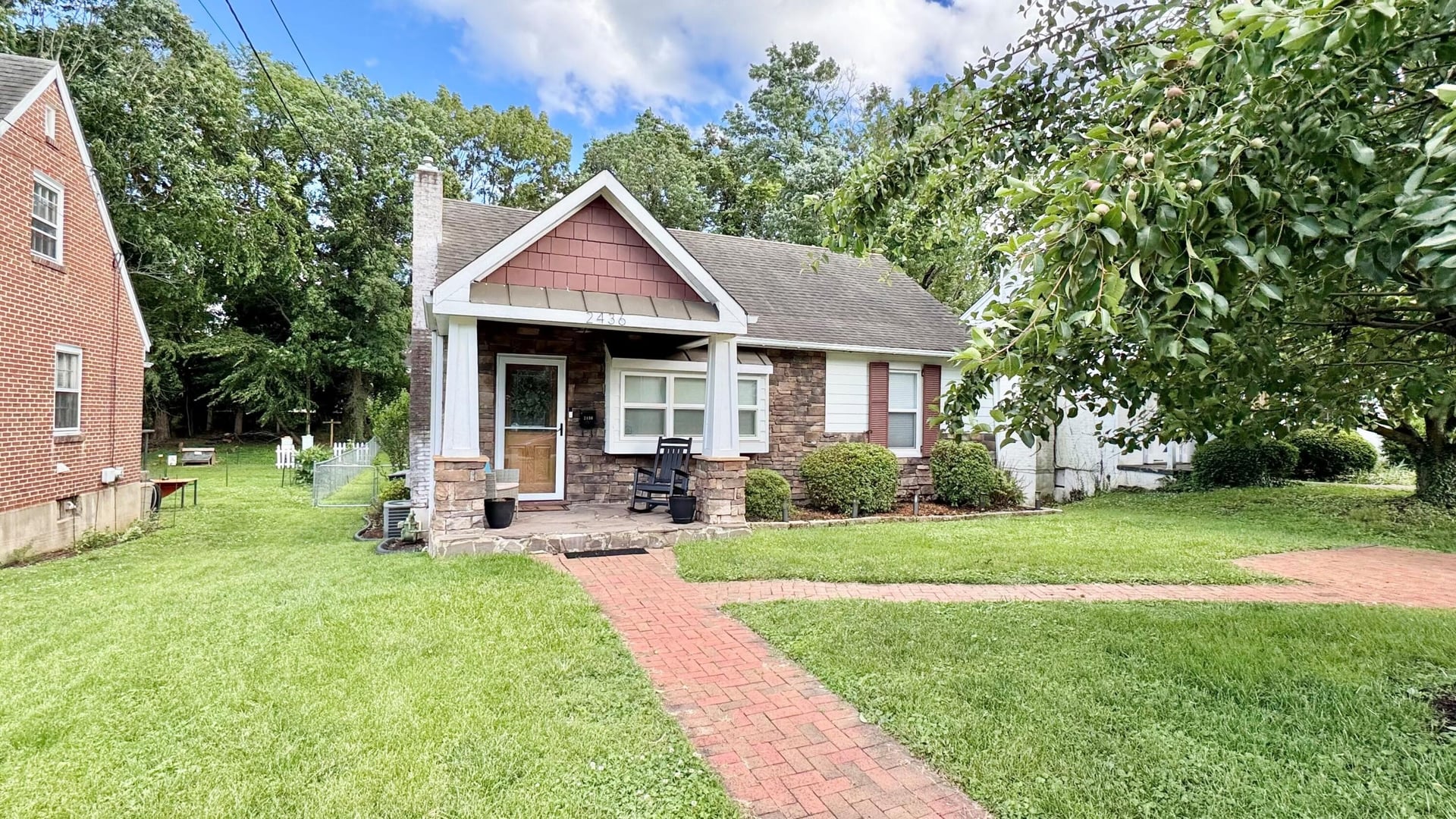
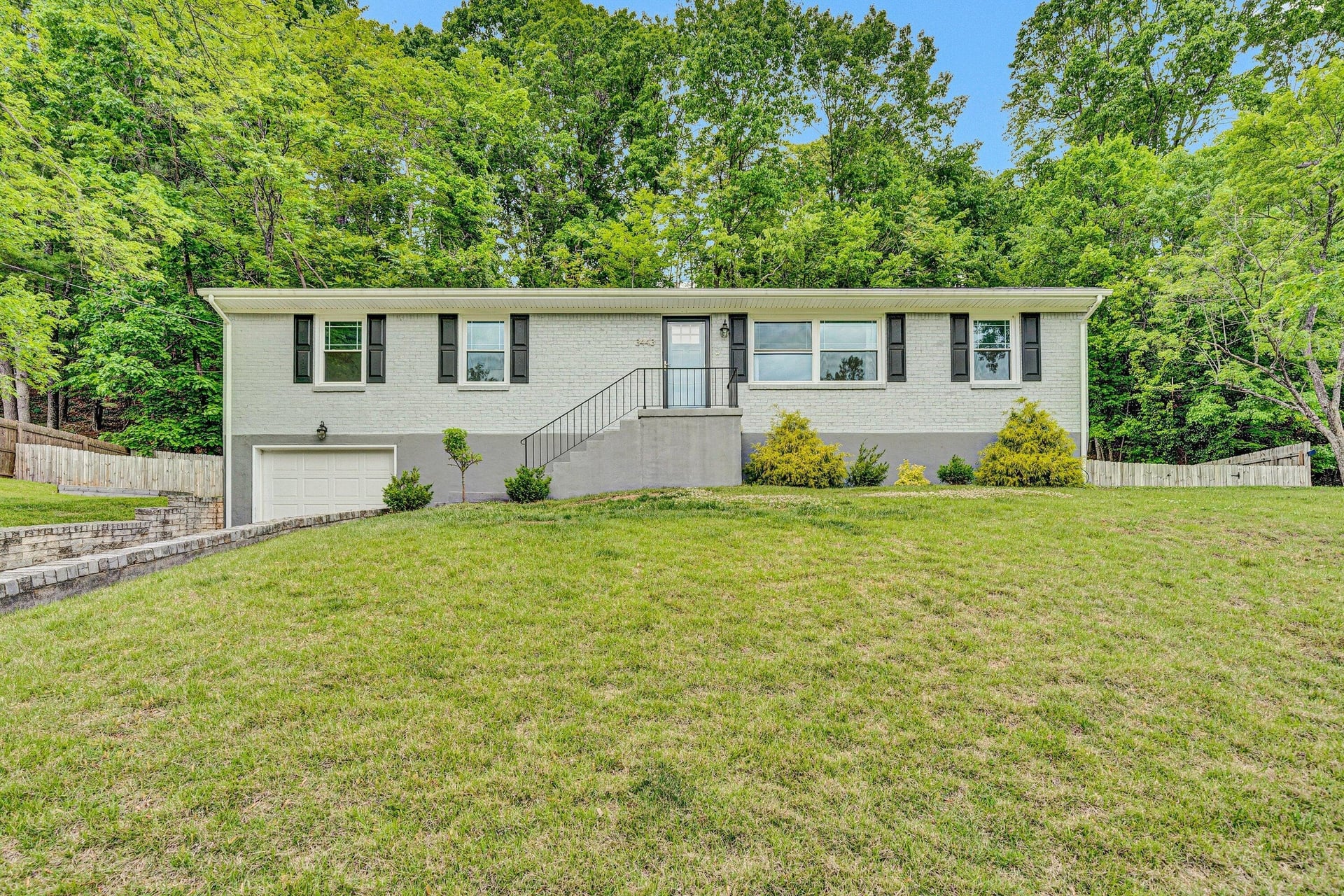
Blake & Bailey
Blake and Bailey had outgrown their first home. They wanted more bedrooms and a better layout, room to host small groups, and a stronger school network in case they send their young kids to public school down the road. The home on Overhill checked every box.

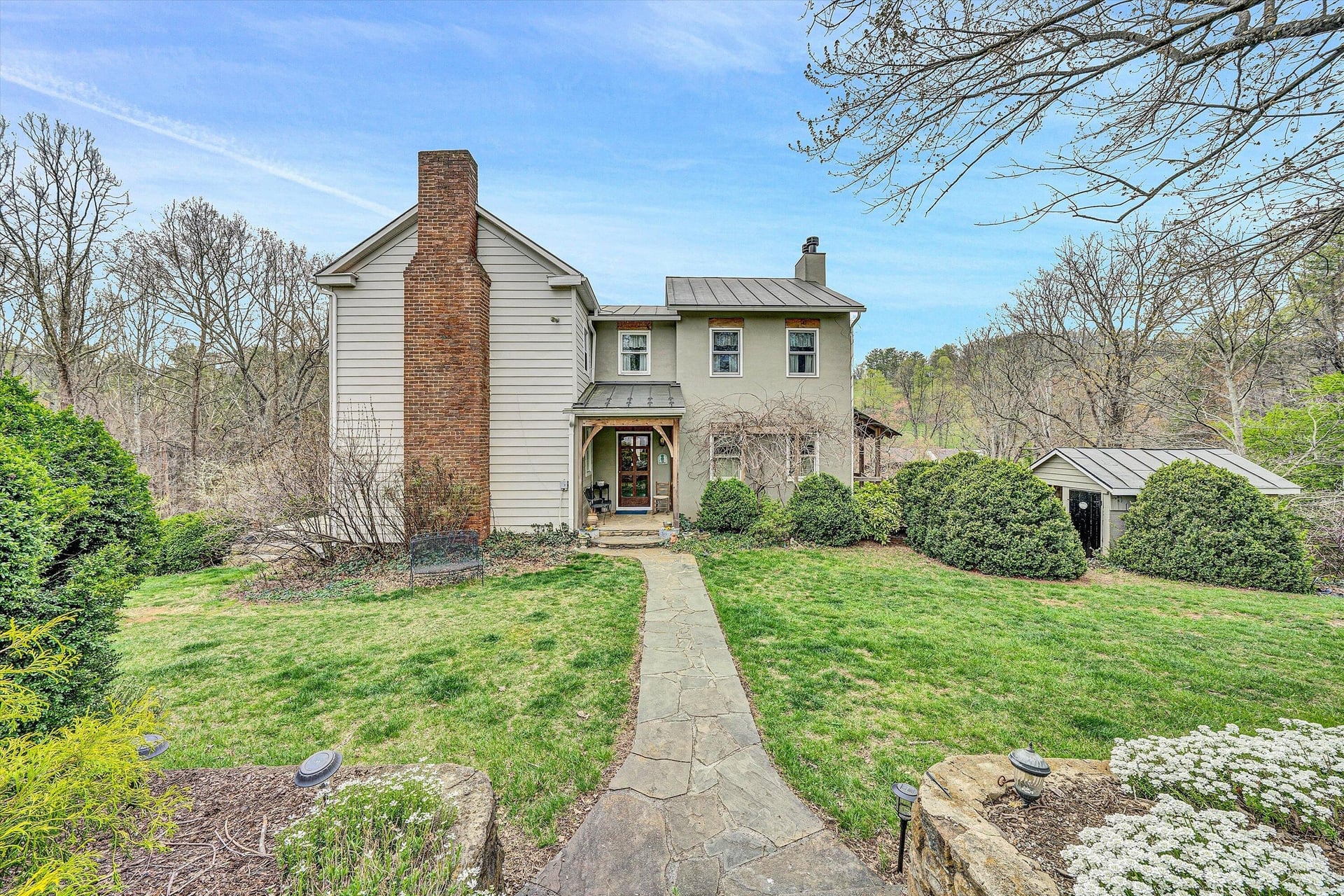
The Saunders
The Saunders were after something specific: a unique home in a different school district for their daughter. The place they found was the perfect blend of space and land, a one-of-a-kind home with real history that they could pour their energy into and make their dream home.
Think of it like your 401(k)
People tie themselves in knots over their home’s value the same way they do over a retirement account. But here’s the thing about a 401(k): you don’t actually lock in a loss until you sell at a low point. Your home works the same way. The value on paper rises and falls, but it only becomes real the day you sell.
Sell into a down market and yes, you feel it. Sell strategically, when the timing and the trade both make sense, and you’re in a strong position. A lot of homeowners right now are sitting on years of appreciation. That’s not a number to protect by never moving. It’s leverage to use when the right home comes along.
And every payment you make buys you a little more of the home. You’re not just covering a cost, you’re building wealth. As Bob likes to say, twenty years from now you won’t be paying the bank. You’ll be the bank.
Don’t forget the cost of staying
The low rate has a price tag too, it’s just easy to ignore because it doesn’t show up on a statement. If the house you’re in has become too small, too much to maintain, too far from the people and places that matter, or just wrong for this chapter, staying costs you something real every month as well.
The honest question isn’t “low rate or high rate.” It’s “which version of the next few years do I actually want to live in?” Once you’ve run the payment difference above, you can answer that with clear eyes instead of a gut reaction to a number.
You’ve built real equity in your current home. Let’s put it to work and make the math work for you.
Common Questions
What move-up buyers ask me most about giving up a low rate.
Is it ever worth moving if I have a 2-3% mortgage?
How much more will my payment really go up?
What is the “rate-lock” or “golden handcuffs” effect?
Can I lower the new payment besides just accepting the rate?
Should I wait for rates to drop before moving?
Want me to run it with your real numbers?
Tell me your current rate and what you’re considering, and I’ll connect you with a lender and walk through whether the move actually makes sense. No pressure, no pitch.